In recent years, the gaming industry has seen a surge in popularity for simulation games that offer players immersive experiences in unique and often unconventional roles. Among these, “Drug Dealer Simulator” has carved out a niche by allowing players to step into the shoes of an underground entrepreneur navigating the complexities of illicit trade. While the game itself garners attention for its detailed mechanics and engaging gameplay, an intriguing phenomenon has emerged around its associated merchandise. Unraveling the mystery behind Drug Dealer Simulator merchandise reveals insights into fan culture, marketing strategies, and community engagement within niche gaming circles.
The appeal of Drug Dealer Simulator Merch merchandise lies primarily in its ability to extend the game’s experience beyond digital boundaries. Fans who invest time mastering the game often seek tangible connections to their virtual exploits. Merchandise such as clothing, accessories, posters, and collectibles serves this purpose effectively by providing physical representations of in-game elements or iconic symbols tied to the game’s narrative and aesthetic. These items not only foster a sense of belonging among players but also act as conversation starters that bridge online communities with real-world interactions.
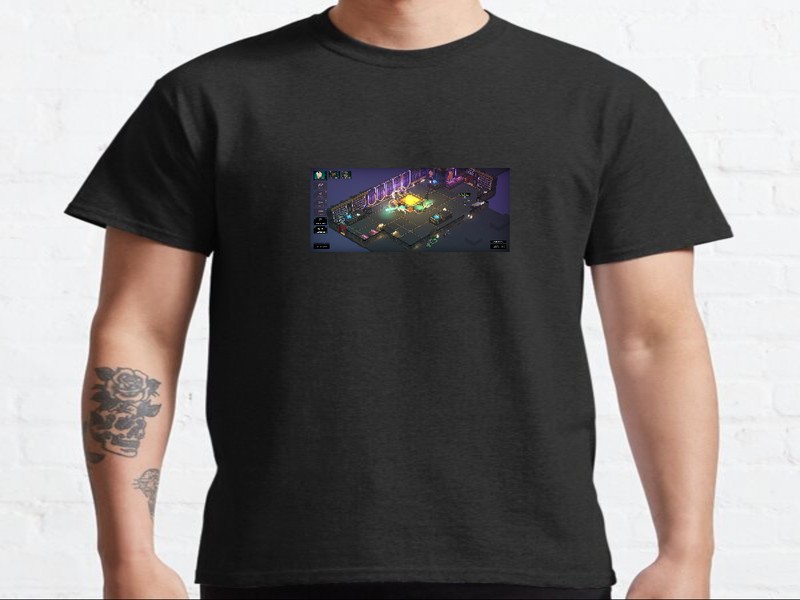
One might wonder how merchandise related to a game centered around illegal activities can be marketed without controversy. The answer lies in careful branding and creative design choices that emphasize style over explicit content. For example, apparel might feature stylized graphics inspired by urban art or cryptic logos reminiscent of underground culture rather than direct references to drug dealing itself. This approach allows merchandise creators to tap into broader streetwear trends while maintaining relevance to fans who appreciate subtle nods to their favorite game.
Moreover, Drug Dealer Simulator’s developers have played an active role in supporting official merchandise lines that align with community values and legal standards. By collaborating with designers familiar with both gaming culture and fashion markets, they ensure products resonate authentically without glorifying illicit behavior. Limited edition releases or exclusive drops tied to game updates further enhance demand by creating urgency and excitement among collectors.
The success of Drug Dealer Simulator merchandise also highlights how fandoms evolve beyond gameplay alone. Players often form tight-knit groups on social media platforms where sharing photos wearing branded gear or displaying collectibles fosters camaraderie and shared identity. Such interactions reinforce loyalty toward both the game and its creators while expanding visibility through word-of-mouth promotion.
In conclusion, unraveling the mystery behind Drug Dealer Simulator merchandise reveals a multifaceted strategy blending fan engagement, stylish design sensibilities, and responsible marketing practices. This phenomenon exemplifies how video games today transcend screens-transforming virtual passions into tangible expressions that enrich player experiences long after controllers are set down. As simulation games continue pushing boundaries creatively, their accompanying merchandises will likely play increasingly significant roles in shaping gaming subcultures worldwide.